
Haylage for Winter: Choosing and Feeding Quality Forage
As grazing quality declines through the colder months, forage becomes the foundation of a horse's diet. Understanding haylage quality, storage and feeding can help support health, condition and performance throughout winter.
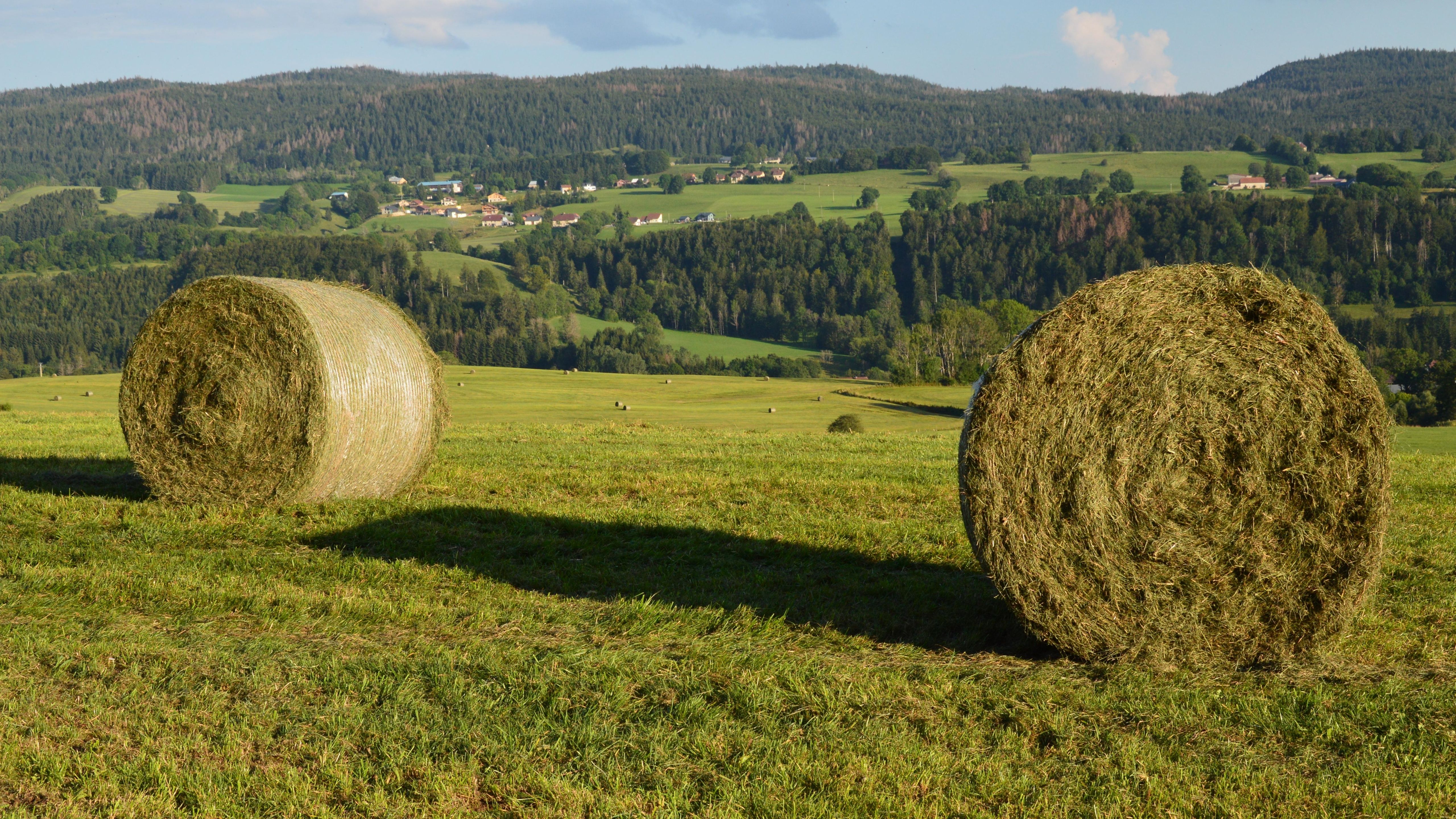
As temperatures drop and grazing becomes less reliable, forage becomes the most important part of a horse's diet. Many owners choose haylage during the winter months because it is highly palatable, nutritious and often less dusty than traditional hay.
Understanding how haylage is made, how to assess its quality and how it fits into a wider winter feeding plan can help keep horses healthy throughout the colder months.
What Is Haylage?
Haylage is grass that has been cut, partially dried and then sealed in airtight plastic wrapping. The small amount of moisture remaining in the grass allows a controlled fermentation process to take place, preserving the forage while maintaining much of its nutritional value.
Compared to hay, haylage generally contains more moisture and can be more digestible and appetising for many horses.
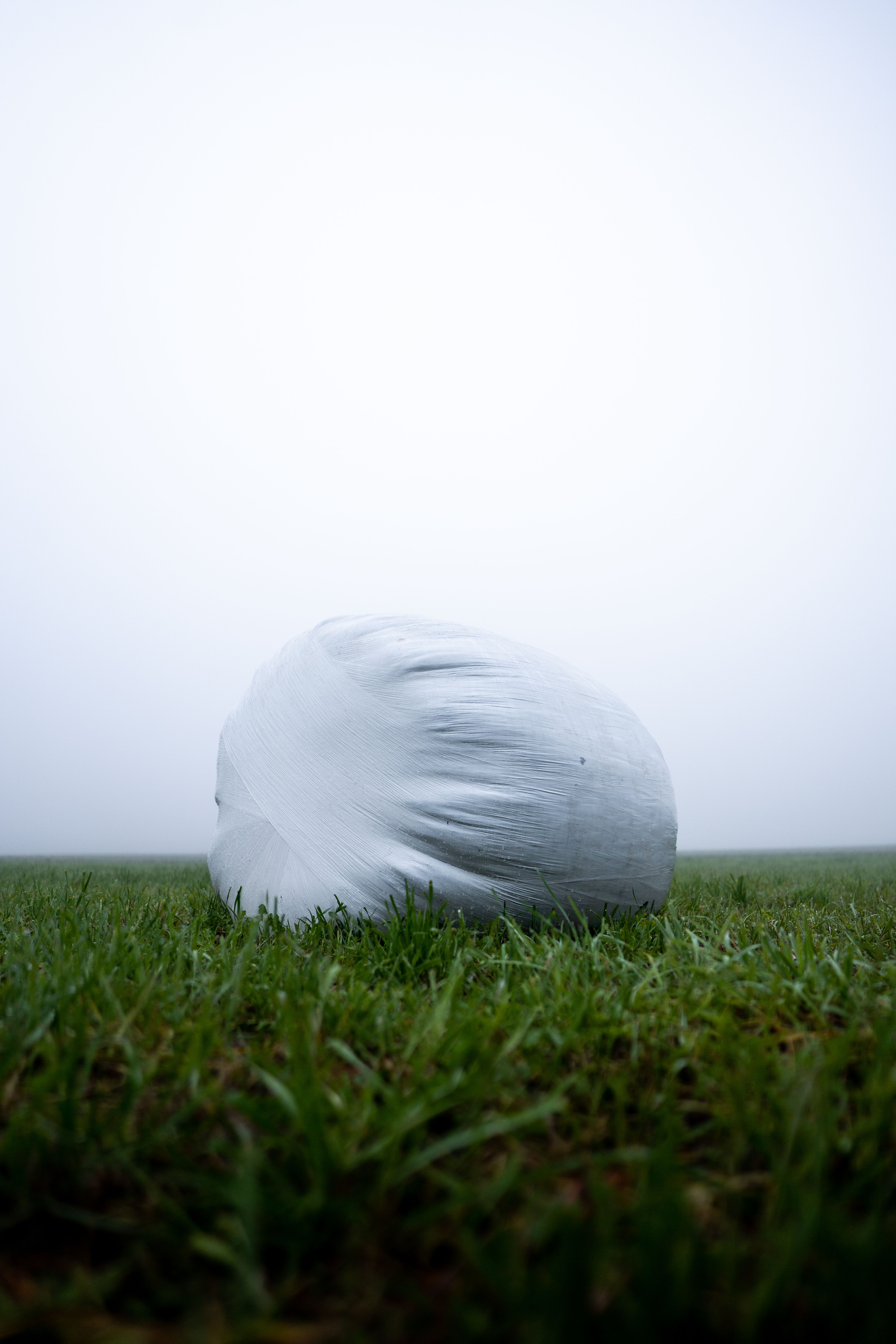
Properly wrapped haylage helps preserve forage quality throughout winter.
Photo by Hugo Sykes on Pexels
How Haylage Is Made
Producing quality haylage begins long before it reaches the yard. Every stage of production influences the final nutritional value and feeding quality.
- Cutting: Grass is usually cut while it is young and nutrient-rich.
- Wilting: The cut grass is left in the field for several hours or days to reduce moisture content.
- Baling: Once the correct moisture level is reached, the forage is tightly baled.
- Wrapping: Bales are sealed using multiple layers of plastic wrap.
- Storage: Wrapped bales should be protected from damage and regularly inspected.
Buyer's Checklist: Good vs Poor Haylage
Before purchasing or feeding haylage, it is worth carrying out a quick quality check. A few simple observations can help identify whether forage is suitable for feeding.
Signs of Good Haylage
- Fresh, sweet or slightly fruity smell.
- Green to light olive colour.
- Soft texture with plenty of leafy material.
- Minimal dust.
- Wrapping is intact with no punctures.
- Consistent appearance throughout the bale.
Warning Signs of Spoilage
- Strong sour, rotten or rancid smell.
- Visible mould growth.
- Excessively wet or slimy areas.
- Significant heating inside the bale.
- Torn wrapping that has allowed air inside.
- Foreign material or contamination.
If a bale appears spoiled or mouldy, it is safest not to feed it. Poor-quality forage can contribute to digestive issues, respiratory problems and reduced performance.
Horses generate heat through the digestion of fibre. Maintaining adequate forage intake throughout winter not only supports digestive health but also helps horses stay warm naturally during colder weather.
Winter Feeding Beyond Haylage
Haylage may form the foundation of a winter diet, but it should always be considered as part of a wider feeding strategy tailored to the individual horse.
- Monitor body condition regularly.
- Adjust forage quantities according to workload and weight.
- Ensure fresh water is available at all times.
- Provide suitable mineral supplementation where required.
- Consider additional fibre sources for horses needing extra calories.
For most horses, good-quality forage remains the most important part of winter feeding. Careful monitoring throughout the season allows adjustments to be made before weight loss or other health concerns occur.
Final Thoughts
Winter feeding starts with quality forage. Whether you choose hay, haylage or a combination of both, understanding what you're feeding and recognising the signs of good-quality forage can help support your horse's health throughout the colder months.
Taking a few minutes to inspect each bale and monitor your horse's condition regularly can make a significant difference over the course of winter.
Follow ESR Bar
Stay up to date with horse safety tips, events and product updates.
