
The One Moment Every Horse Owner Dreads — And How to Be Ready for It
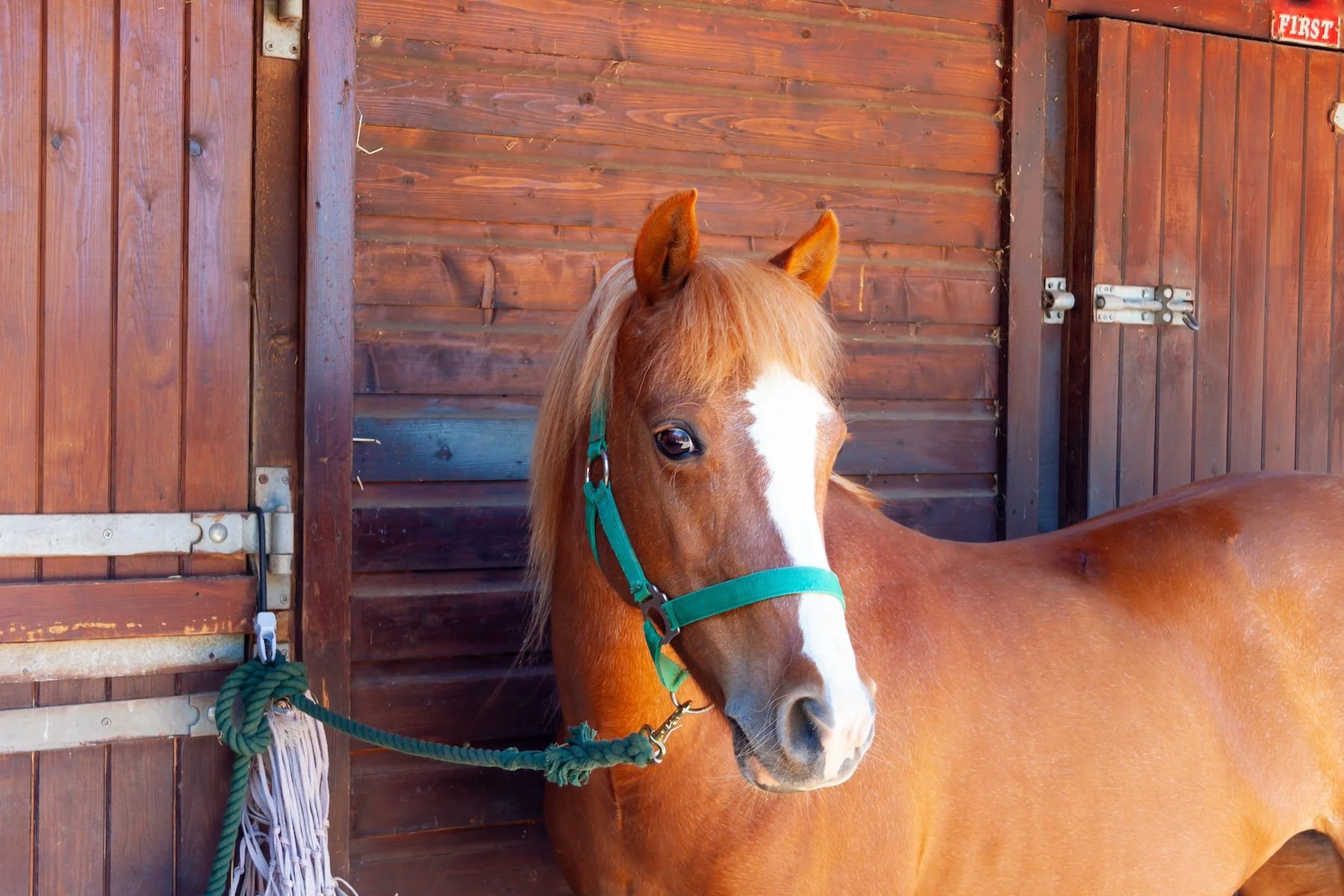
There’s a moment every horse owner knows — even if they’ve never experienced it themselves.
You’re on the yard. Your horse is tied up. Everything is calm.
Then something changes. A noise. A movement. A sudden surge of pressure.
In seconds, what was routine can turn into panic.
It doesn’t matter how quiet the horse is. When a prey animal feels trapped, instinct takes over — and instinct doesn’t ask permission.
So the question isn’t “will it ever happen?”
It’s “what happens when it does?”
When Calm Turns to Chaos
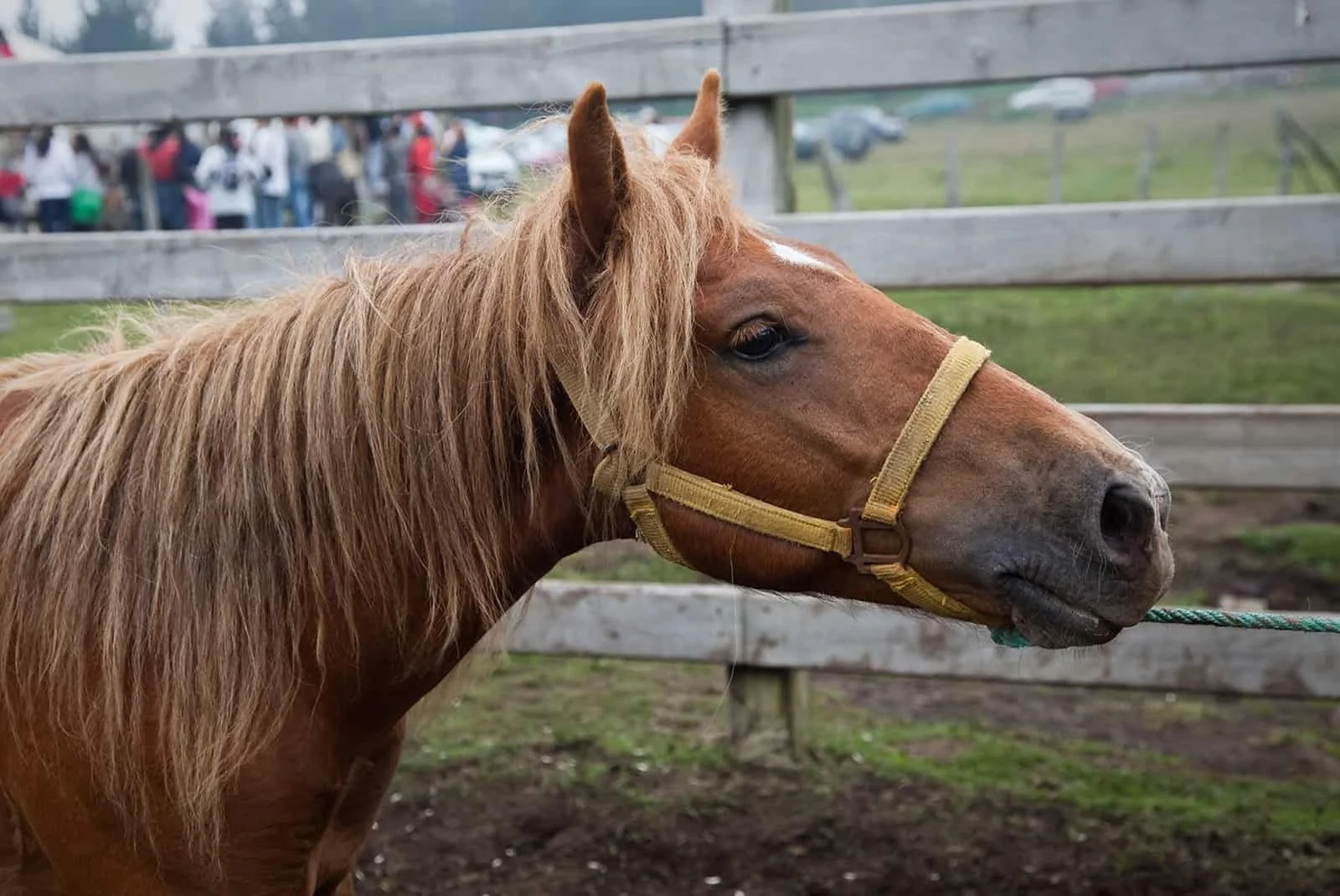
Horses don’t pull back because they’re naughty. They pull back because their brain switches to flight mode.
Common triggers include:
- Sudden noises (doors, clanging buckets, vehicles)
- Another horse reacting nearby
- Pressure on the poll or headcollar
- Slipping on concrete or rubber matting
- Wet ropes, gloves, or delayed reactions
Once panic starts, strength increases dramatically. Equipment is tested. Seconds matter.
The Myths We Still Rely On
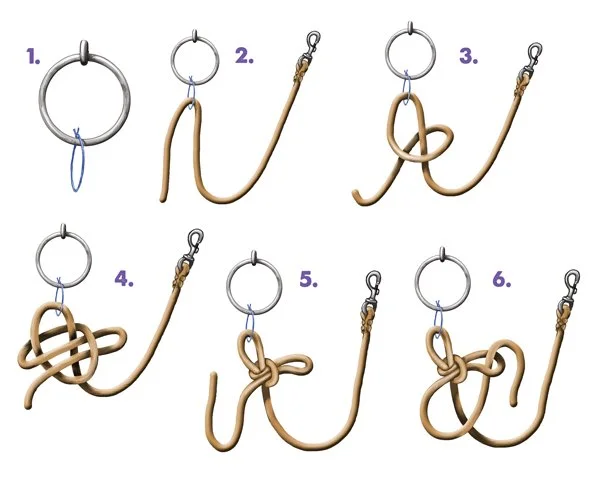
- Baler twine – unpredictable break point
- Panic snaps – can jam under load
- Rubber rings – reduce shock but don’t always release
- Solid fixtures – no forgiveness when things go wrong
None of these are wrong — but none are designed for controlled release under real panic load.
What Actually Makes a Difference
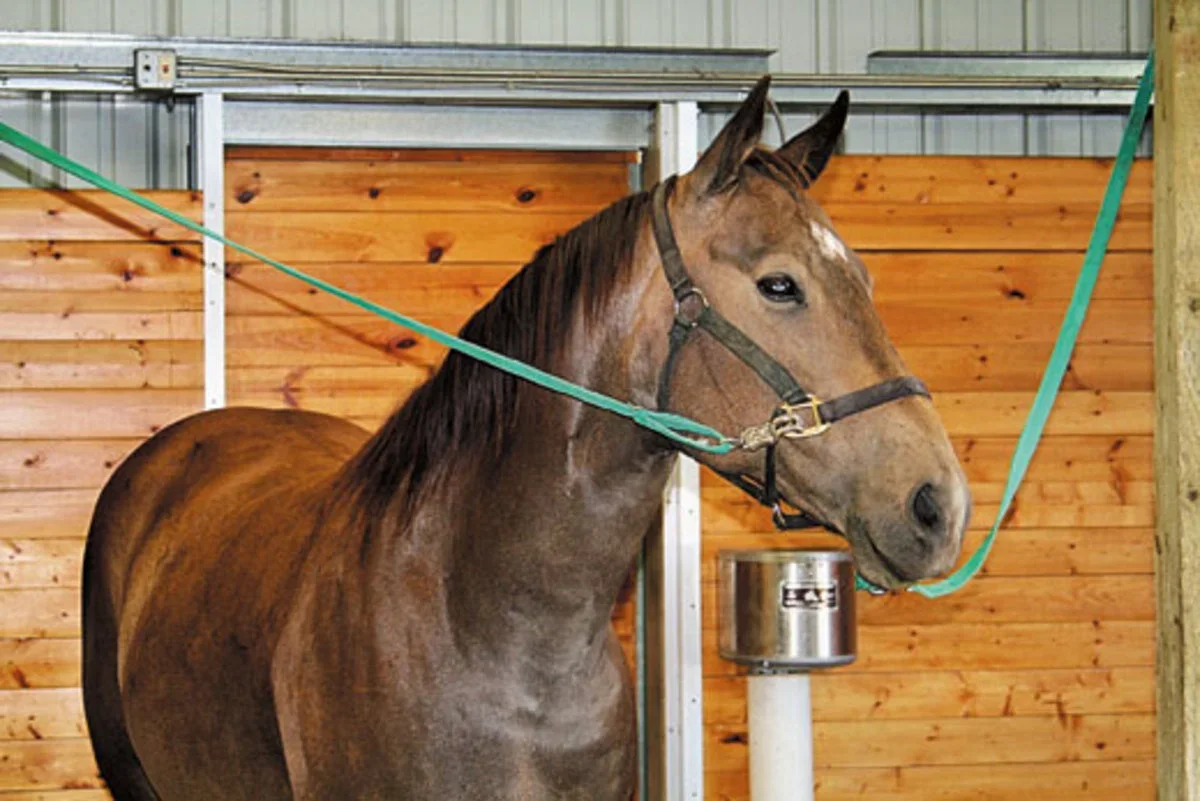
When a horse pulls back, the safest outcomes come from systems that release under excessive load, do not rely on fine motor skills, and reduce risk for both horse and handler.
This is why modern safety thinking focuses on planned failure points, rather than holding on at all costs.
Final Thought
You can’t always stop a horse from panicking.
But you can decide how your setup responds when it does.
That decision is made long before the moment arrives.
Learn More About Safer Horse Tying
If tying up is part of your daily routine, it’s worth understanding how modern safety systems are designed to reduce risk when the unexpected happens.
Explore the ESR Bar:
https://www.esrbar.com/shop
Follow ESR Bar for updates, real-world use, and yard safety tips:
Follow ESR Bar for updates, real-world use, and yard safety tips:
Facebook |
Instagram |
TikTok
Image credits:
Hero image source: Grit
Calm to chaos image source: The Horse
Equipment image source: Young Rider
Safe setup image source: Good Horsemanship Australia
